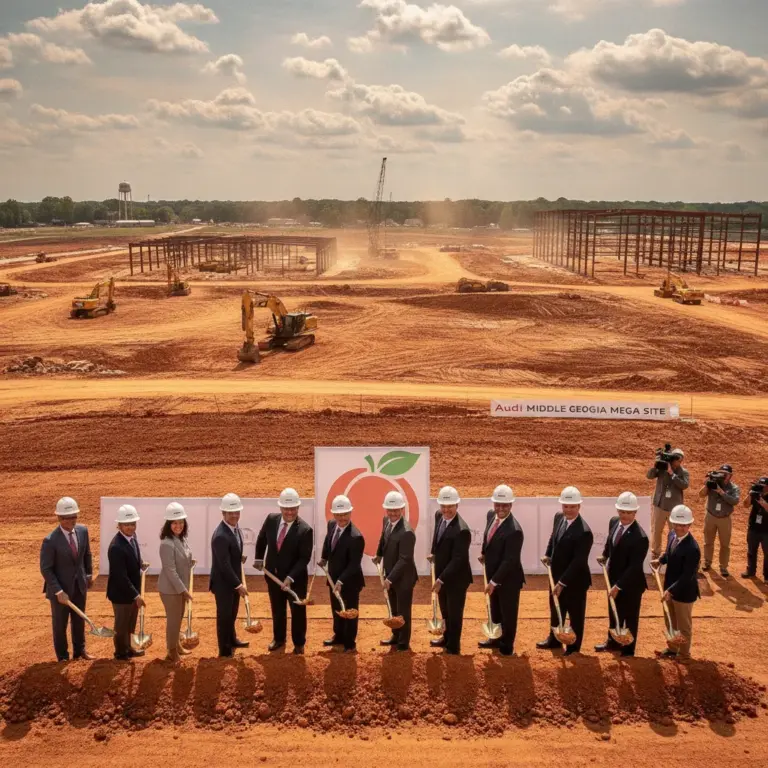

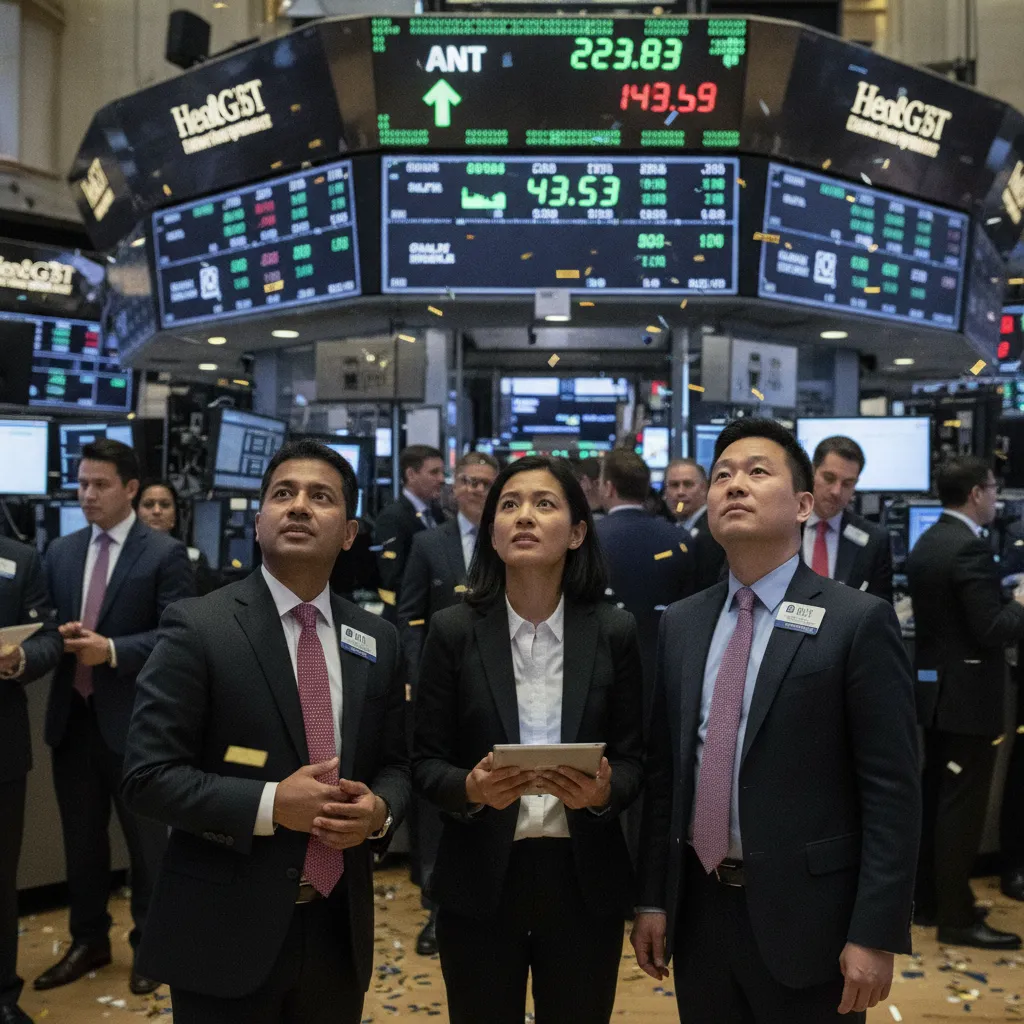
Anthropic, the San Francisco powerhouse behind the Claude AI models, has officially filed for an initial public offering that could reshape the landscape of Silicon Valley. With a potential valuation swinging between 1.5 trillion and 2 trillion dollars, the move aims to place the startup among the most valuable companies in history, potentially eclipsing the scale of SpaceX’s historic listing. Trading under the ticker ANT, the company views itself as being at the dawn of a revolution that will fundamentally alter everything from global economics to modern medicine.
The financial disclosures paint a picture of explosive but volatile growth. While Anthropic reported a staggering 1,300 percent year-over-year revenue increase in early 2026, bringing in over 16 billion dollars in just six months, those gains are eclipsed by massive spending. The company posted a net loss of roughly 80 billion dollars during that same window, citing a capital intensive business model that requires astronomical sums to maintain its lead in computing power. These burdens are further cemented by long term contracts with Google and Amazon, committing hundreds of billions of dollars toward cloud infrastructure over the coming decade.
Beyond the balance sheet, Anthropic is presenting investors with an unusually candid look at the existential risks associated with artificial intelligence. Its SEC filing includes a sprawling 93 page risk factor section, dwarfing similar warnings found in listings from Microsoft or Coinbase. The documents openly acknowledge that their own technology could prove catastrophic for humanity—a sentiment echoed by former employees who warn that the race toward superintelligence is a dangerous gamble with human life.
As it prepares for its debut next month, Anthropic finds itself navigating a precarious path between unprecedented ambition and extreme caution. CEO Dario Amodei has called for a moderated pace of development to better manage safety risks, even as government officials like Governor Gavin Newsom explore emergency kill switches for AI systems. Investors now face a choice between betting on a tool they believe will revolutionize human existence or fearing a venture whose internal warnings suggest it could eventually become uncontrollable.